Blog
Choosing your first 3D printer: FDM or resin?
A practical comparison of the two most common 3D printing technologies — quality, cost, safety and post-processing — so you pick the right first machine.
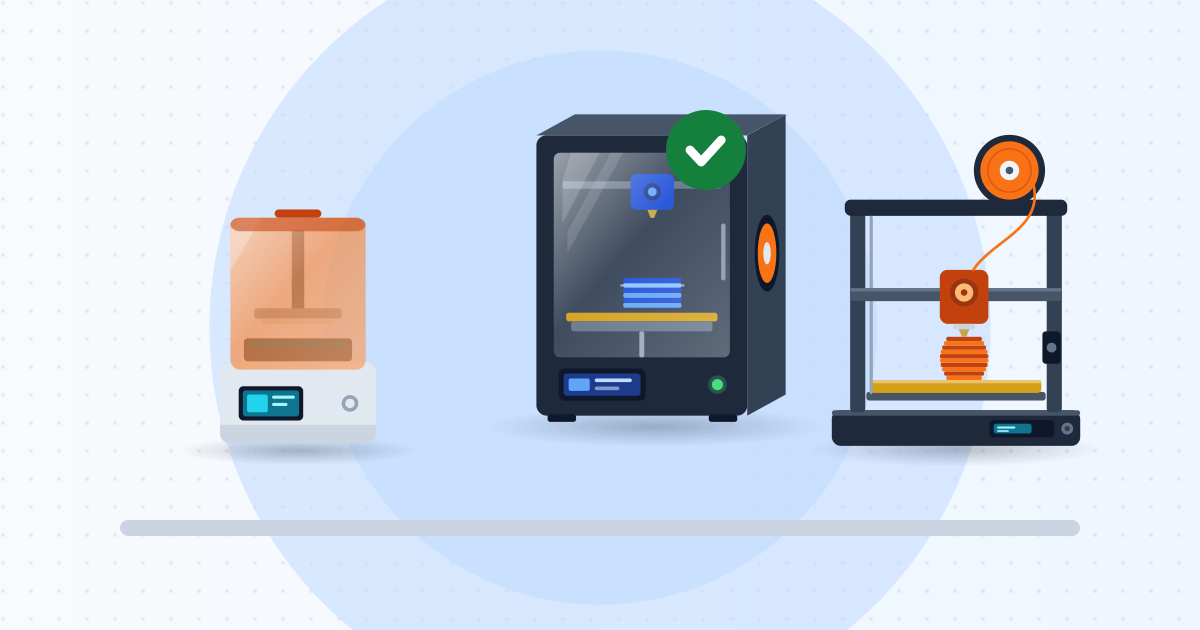
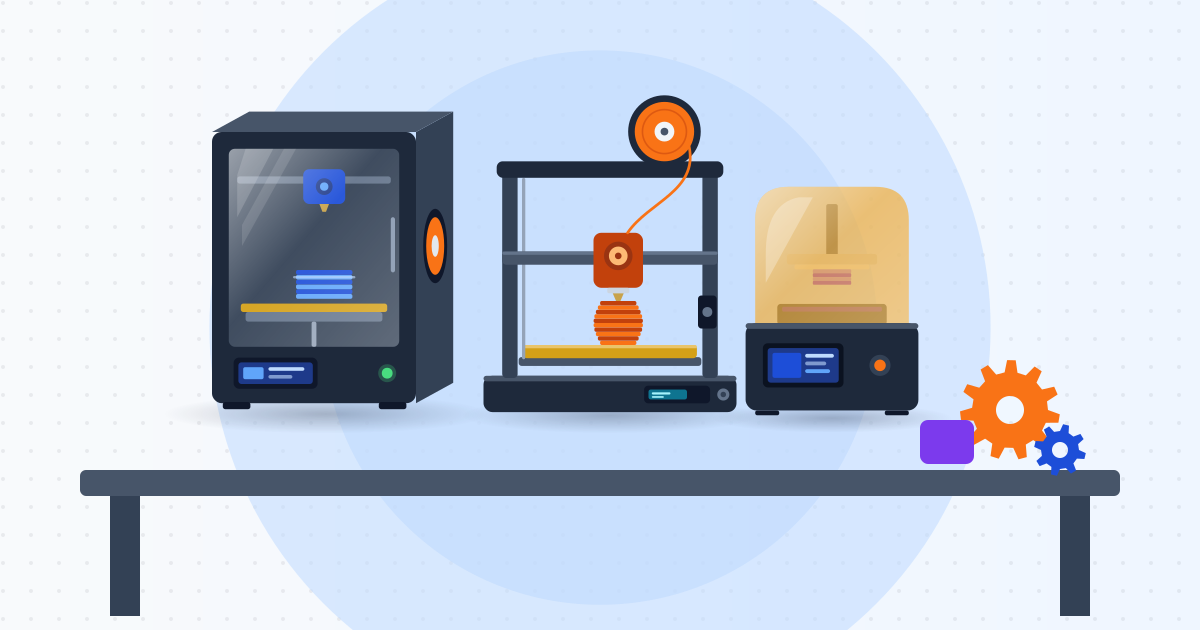
The question we hear most from new customers is: "Should I buy an FDM or a resin printer?" There is no single right answer. This article explains how each technology works, where each shines, and how to choose.
How FDM works
An FDM (Fused Deposition Modeling) printer pushes plastic filament through a nozzle heated to about 190–260 °C and lays it down line by line, layer by layer. Typical layer heights are 0.1–0.3 mm. Common materials are PLA, PETG, TPU and ABS/ASA.
Strengths: large build volume for the money (LayerOne F1: 220 × 220 × 250 mm; LayerOne F3 Max: 300 × 300 × 350 mm), cheap material, strong functional parts, and simple post-processing.
Weaknesses: visible layer lines, and very fine details below about 0.5 mm are hard to print crisply.
How resin works
An MSLA resin printer uses a monochrome LCD to mask 405 nm UV light and cure a whole layer of liquid photopolymer at once. Layers are typically 0.03–0.05 mm, and XY resolution depends on the screen (4K on the LayerOne R1, 12K on the LayerOne R2 12K).
Strengths: extremely fine detail with almost invisible layers — ideal for miniatures, figures, jewellery and dental models; many small parts print in the same time as one.
Weaknesses: smaller build volume, more expensive material, more brittle parts, and stricter post-processing and safety.
Resin safety — do not skip this
Uncured resin can irritate skin and eyes and may cause allergies over time.
- Wear nitrile gloves and safety glasses whenever you handle resin or uncured parts.
- Ventilate: use a separate room with an extractor fan or open window, never a bedroom.
- Wash parts in IPA (isopropyl alcohol), then post-cure under UV.
- Never pour resin or resin-contaminated IPA down the drain. Leave dirty IPA in sunlight or under UV so the resin cures and settles, filter out the solids and dispose of them as solid waste; cure gloves and paper towels the same way.
- Keep the printer and resin away from children and pets.
FDM has its own hazards: the nozzle and heated bed are very hot while printing, so keep fingers away and keep an eye on your first prints.
Quick comparison
| FDM | Resin | |
|---|---|---|
| Surface finish | Good, visible layers | Excellent |
| Build volume | Large | Small to medium |
| Material cost | Low | Higher |
| Toughness | Good, flexible options | More brittle |
| Post-processing | Remove supports | IPA wash + UV cure |
| Safety needs | Basic | Gloves, ventilation, waste handling |
Which should you choose?
- FDM for functional parts, enclosures for electronics projects, or if you are just starting. The LayerOne F1 is easy to learn thanks to automatic bed leveling; the enclosed LayerOne F2 Pro suits high speed and engineering filaments.
- Resin if you mostly print small, highly detailed models and have a well-ventilated space. The LayerOne R1 is a sensible first machine; the LayerOne R2 12K is available for pre-order.
- Not sure? Send a file to the SHINDIY 3D printing service and get a sample in both technologies before you invest.
3D printers from SHINDIY come with a 12-month warranty, free shipping on orders from 1,000,000 VND, and you can inspect the parcel before accepting it.